




It depends on what you're hoping to see! For forest wildlife like mule deer, foxes, and occasional black bears, head up Casper Mountain. If bird watching is your priority, Edness Kimball Wilkins State Park is one of the area's best destinations, particularly during spring and fall migration. For pronghorn and other open-country wildlife, explore the plains and sagebrush landscapes surrounding Natrona County, including the area around Martin's Cove. The Platte River Trails are another convenient option for spotting birds and other wildlife without leaving Casper. If you're not sure where to start, Edness Kimball Wilkins State Park is an excellent first stop. Its riverfront habitat, cottonwood trees, and walkable trails make it a rewarding destination for wildlife enthusiasts of all experience levels.
Wildlife Viewing & Bird Watching
Wyoming's wide-open landscapes are home to some of the most iconic wildlife in the American West, and you don't have to venture far from Casper to experience it. From pronghorn grazing across the high plains to bald eagles soaring above the North Platte River, central Wyoming offers plenty of opportunities to see wildlife in its natural habitat.
Explore the wooded trails of Casper Mountain, watch migratory birds along the river, or keep an eye out for deer and coyotes while traveling through Natrona County. Whether you're an avid birder, a wildlife photographer, or simply hoping to spot a few of Wyoming's wild residents, Casper is a great place to start exploring.
Where to Spot Local Animals in Casper
One of the best things about wildlife viewing around Casper is the variety of landscapes within a short drive. Forested mountain trails, open sagebrush plains, and riverfront habitats each offer a different opportunity to encounter Wyoming wildlife. Here are a few places to add to your wildlife-watching itinerary.
Casper Mountain
Best for: Deer, foxes, songbirds and occasional larger wildlife.
Just 10–15 minutes from downtown Casper, Casper Mountain feels like a different world. Pine forests, aspen groves, and mountain meadows provide habitat for a variety of wildlife, making the mountain a rewarding place to explore with your eyes open and your camera ready. Watch for mule deer moving through the trees, red foxes along the edges of open meadows, and songbirds among the forest canopy. Black bears and mountain lions also inhabit the region, although sightings are much less common. Take your time along the mountain's hiking and recreation areas, particularly during the quieter hours of the morning and evening. The changing elevations and wooded surroundings make this a particularly appealing destination for anyone hoping to photograph wildlife in a natural mountain setting.
Edness Kimball Wilkins State Park
Best for: Bird watching, waterfowl and river wildlife
Located just east of Casper along the North Platte River, Edness Kimball Wilkins State Park is one of the area's premier wildlife-viewing destinations. Its cottonwood galleries, riverbanks, and riparian habitat attract an impressive variety of birds throughout the year. Bring binoculars and explore the park's walking trails, keeping an eye out for wood ducks, Canada geese, great blue herons, songbirds, and other waterfowl. Deer and smaller mammals can also be spotted throughout the surrounding habitat. The park is especially rewarding during spring and fall migration, when birds traveling through central Wyoming make use of the river corridor. It's an excellent place to slow down, listen for birdsong, and see just how much wildlife can be found along the North Platte.
Local Tip: Edness Kimball has an entry fee of $7, so be prepared to pay a small fee if coming to explore this scenic state park in the heart of Wyoming.

Martin's Cove and the Open Plains
Best for: Pronghorn and open-country wildlife viewing
For a glimpse of Wyoming's wide-open country, explore the landscapes surrounding Martin's Cove. The rolling plains and sagebrush-covered terrain are characteristic of pronghorn country, offering opportunities to spot these remarkably fast animals moving across the landscape.
Pronghorn are one of Wyoming's most recognizable animals, and their ability to thrive in open terrain makes them particularly well suited to the region. Scan distant hillsides and open fields for small groups or larger herds, and bring binoculars to get a closer look without disturbing them.
As you explore, remember that much of the surrounding landscape includes private property. Stick to designated public access areas, respect posted boundaries, and never trespass in pursuit of a wildlife sighting.
North Platte River Trails
Best for: Urban wildlife, river birds and an easy outdoor outing
You don't have to leave town to enjoy wildlife viewing in Casper. The Platte River Trails wind along the North Platte River, creating an accessible outdoor escape where visitors can encounter birds and other wildlife without venturing far from downtown.
Watch for waterfowl along the river, songbirds in the trees, and the occasional deer moving through the surrounding green spaces. The trails are a particularly convenient option for families, casual walkers, and visitors who want to combine wildlife watching with a scenic stroll.
Bring binoculars, take your time, and keep an eye on the riverbanks. Sometimes the best wildlife encounters happen when you're simply enjoying the outdoors.

Wildlife You'll Find Around Casper
Central Wyoming's diverse landscapes support an impressive range of mammals and birds. While sightings are never guaranteed, knowing what to look for can make your time outdoors even more rewarding.
Pronghorn Antelope
One of the most iconic animals in Wyoming, pronghorn are a familiar sight across the open plains surrounding Casper. Often mistaken for antelope, these unique North American mammals are built for speed and can reach impressive running speeds when moving across open terrain.
Look for their tan-and-white coats, dark facial markings, and distinctive horns. Pronghorn are especially well suited to the open sagebrush country around Natrona County, where their excellent eyesight helps them spot potential threats from a distance.
Where to look: Open plains, sagebrush country, and rural roads throughout Natrona County.
Mule and White-Tailed Deer
Both mule deer and white-tailed deer call central Wyoming home, and you may encounter either species around Casper.
Mule deer are recognizable by their large ears, grayish-brown coloring, and distinctive black-tipped tails. They're commonly found in open country, foothills, and wooded mountain habitats.
White-tailed deer have smaller ears, brown coats, and tails with a bright white underside that becomes especially noticeable when they're startled and raise their tails. They're often found near river corridors, vegetation, and areas with access to water.
Keep an eye out for deer around Casper Mountain, along the North Platte River, and throughout the surrounding countryside. Late spring and early summer can bring opportunities to see young fawns, although it's important to observe them from a distance and never approach or touch them.
Where to look: Casper Mountain, river corridors, wooded areas, and open spaces around Casper.
Coyotes, Foxes & Mountain Lions
Coyotes are among the most adaptable residents of the Wyoming landscape. Often seen traveling alone or in pairs, they're particularly active during the quieter hours of dawn and dusk.
You might spot one crossing an open field, moving along a trail, or disappearing into the sagebrush. Their distinctive howls and yips can also be heard in the evening, particularly in less developed areas outside the city.
Other native predators inhabit the region, too. Red foxes can occasionally be spotted around Casper Mountain, while black bears and mountain lions inhabit the surrounding mountain country. These larger animals are much more elusive, and visitors should never approach or attempt to follow them.
Where to look: Casper Mountain, open grasslands, wooded areas, and less-developed landscapes around Natrona County.
Birds of Central Wyoming
Casper is an excellent destination for bird watching, thanks in large part to its position along the North Platte River and the variety of habitats throughout central Wyoming.
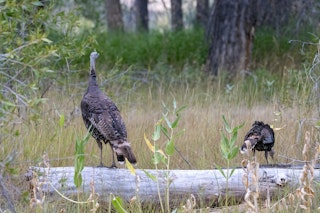
The region is home to both resident and migratory bird species. Look skyward for bald eagles and golden eagles, listen for the unmistakable song of the western meadowlark (Wyoming's state bird), and watch the river for waterfowl and shorebirds.
Depending on the season and location, bird watchers may also encounter sandhill cranes, great horned owls, wood ducks, American dippers, gulls, and a variety of migrating songbirds.
Where to look: Edness Kimball Wilkins State Park, the Platte River Trails, and other riverfront and wetland habitats around Casper.

Frequently Asked Questions About Wildlife Viewing in Casper
Casper and the surrounding Natrona County landscape are home to a diverse range of Wyoming wildlife. Pronghorn antelope are among the most recognizable residents of the open plains, while mule deer and white-tailed deer can be found throughout the region's forests, foothills, and river corridors.Coyotes and red foxes are also part of the local landscape, and black bears and mountain lions inhabit the surrounding mountain country. Along the North Platte River, visitors can encounter a variety of bird species, including bald eagles, golden eagles, sandhill cranes, wood ducks, and Wyoming's state bird, the western meadowlark. The variety of habitats around Casper means there's always something new to look for, whether you're exploring the mountains, walking along the river, or driving through the open countryside.
The most important rule is to give wildlife plenty of space. Wyoming recommends maintaining at least 100 yards between yourself and bears or wolves, and at least 25 yards from all other wildlife.
A few additional guidelines will help keep both you and the animals safe:
Never feed wildlife. Feeding animals can alter their natural behavior and create dangerous interactions with people.
Keep your distance. Never approach, chase, corner, or attempt to touch an animal, including young wildlife.
Keep pets leashed. Dogs can disturb wildlife and create potentially dangerous encounters.
Stay on designated trails and public access areas.
Respect private property and posted restrictions.Use designated pullouts.
Never stop in an unsafe location or block traffic to photograph wildlife.
Watch the road. Deer and pronghorn are particularly active during dawn and dusk, so use extra caution when driving through rural areas.
If an animal changes its behavior because of your presence, you're likely too close. Give it more room and allow it to move away naturally.
Wildlife viewing is a year-round activity around Casper, but each season offers something different.
Spring brings increased activity throughout the region. Migratory birds return to the North Platte River corridor, and Edness Kimball Wilkins State Park becomes an especially rewarding birding destination. Late May and early June can also bring opportunities to see newborn pronghorn, while deer fawns generally begin appearing from late May into early summer.
"Getting to see newborn wildlife is one of the best parts of springtime in Wyoming. But please view animals from a distance and do not touch or pick them up." - Kylie Sinclair, Casper wildlife biologist.
Summer's warmer months provide excellent opportunities to explore Casper Mountain and the surrounding countryside. Look for wildlife during cooler morning and evening hours, and enjoy the variety of resident birds throughout the region.
Fall is an exciting time for bird watchers as migratory species begin moving through central Wyoming. Edness Kimball Wilkins State Park can be particularly productive in August and September. The changing colors on Casper Mountain also create beautiful scenery for wildlife and nature photography.
Winter's snow-covered landscapes offer a different perspective on Wyoming wildlife. Deer and other mammals can sometimes be easier to spot against the snow, while resident birds remain active around river corridors and wooded habitats. Dress for changing weather and be mindful that wildlife may be more sensitive to disturbance when food and shelter are limited.


